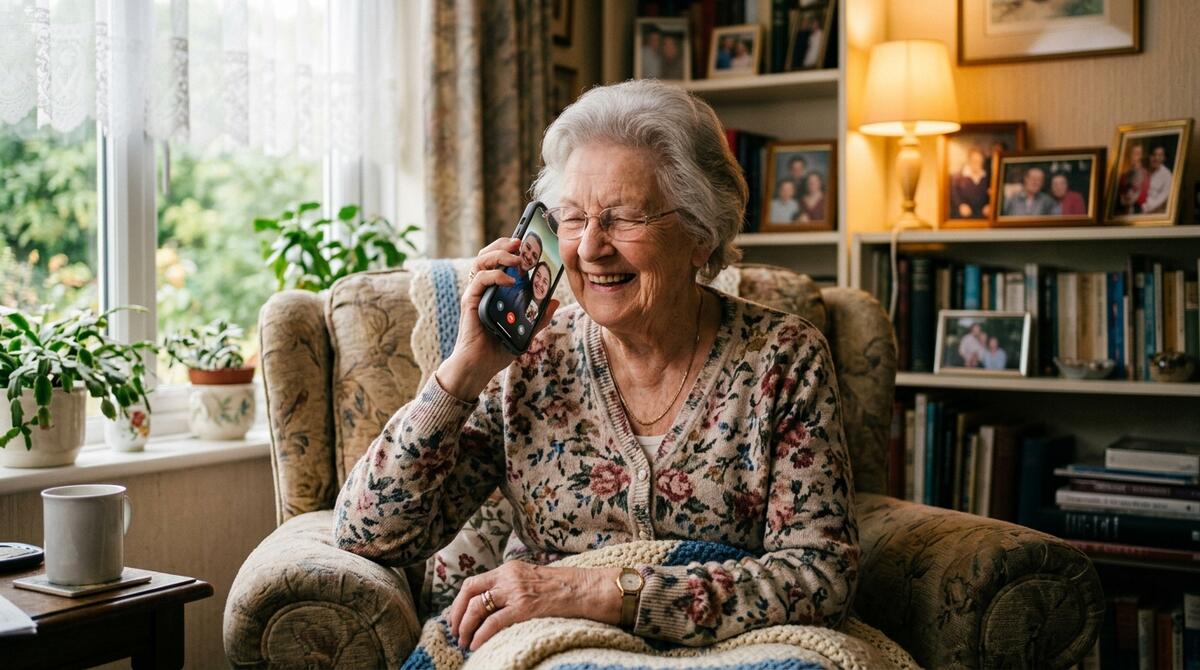
When balancing a career, raising a family, and simply keeping up with everyday life, checking in on aging parents can easily slip from a loving conversation to a hurried item on a to-do list. We all want our loved ones to age safely and independently in their own homes, but worrying about their daily well-being is a heavy burden for families to carry.
This is where technology steps in to bridge the gap. Automated daily check-in calls are transforming how families care for seniors, offering a simple yet profoundly effective way to ensure their safety.
The Challenge of the Daily Call
For many adult children, calling mom or dad every day is a priority, but it’s not always practical. Time zones, busy work schedules, and the sheer unpredictability of life can cause missed calls. These missed connections often lead to anxiety: Are they okay? Did they take their medication? Did they just forget to answer, or is something wrong?
On the flip side, seniors fiercely value their independence. Some may feel that daily “check-up” calls from their children feel intrusive or suggest they are no longer capable of managing on their own.
How Automated Check-Ins Change the Dynamic
An automated check-in service, like KindCalls, removes the friction from this daily routine. Here’s why it’s becoming an essential tool for modern caregiving:
1. Consistency Without Guilt
Automated systems never forget to call, and they never have a schedule conflict. Seniors receive a friendly, scheduled call at the exact same time every day. For the family, this means never having to feel guilty about a busy day getting in the way of checking in.
2. Immediate Alerts When It Matters
If a loved one answers the automated call and confirms they are okay, families receive a quiet reassurance—often just a simple notification. However, if the call goes unanswered or the senior indicates they need help, the system immediately alerts designated family members or caregivers. This ensures that help can be dispatched quickly in an emergency, rather than hours later.
3. Preserving Dignity and Independence
An automated call feels less like being “monitored” and more like a helpful daily routine. It empowers seniors to manage their own safety while living independently. They know that if they need help, they have a reliable way to get it, but they don’t have to surrender their autonomy.
4. Better Quality Time
When you don’t have to spend the first five minutes of every conversation interrogating your parent about their health and safety, your calls can focus on what really matters: connection. Conversations can return to sharing family news, laughing over stories, and enjoying each other’s company.
Building a Comprehensive Safety Net
While an automated check-in isn’t a replacement for human connection or professional medical care, it is a critical piece of a modern caregiving safety net. It provides a daily baseline of safety that allows families to breathe a little easier.
If you’re finding it difficult to manage daily check-ins, or if you simply want an extra layer of security for an aging parent, consider integrating an automated service into your routine. It’s a small addition that yields a massive return in peace of mind.