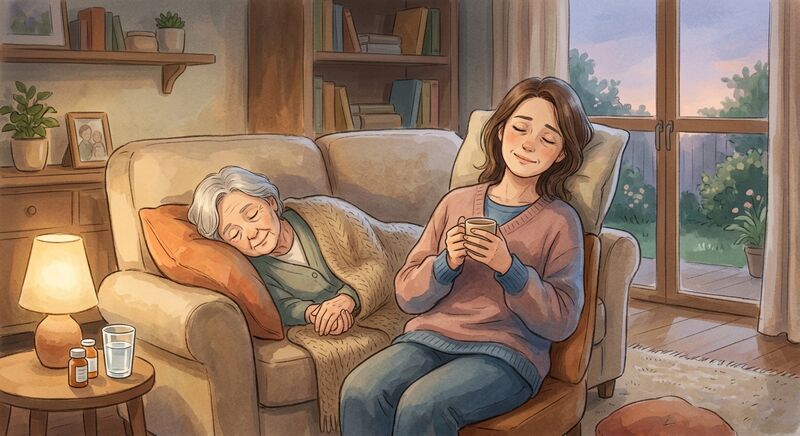
Caring for an aging parent or loved one is often one of the most rewarding roles you can take on. However, juggling the responsibilities of your own life, career, and family while ensuring a senior’s well-being can quickly take a toll. This exhaustion is known as caregiver burnout.
What is Caregiver Burnout?
Caregiver burnout is a state of physical, emotional, and mental exhaustion. It often occurs when caregivers don’t get the help they need, or if they try to do more than they are able, either physically or financially.
Spotting the Warning Signs
It’s easy to ignore the signs when you’re focused on someone else’s health. Watch out for these common indicators:
- Withdrawal: Pulling away from friends, family, and activities you once enjoyed.
- Changes in Sleep Patterns: Difficulty falling asleep, staying asleep, or sleeping too much.
- Irritability: Feeling easily frustrated or angry over minor issues.
- Health Issues: Getting sick more often or experiencing chronic fatigue.
Practical Steps to Find Balance
- Ask for and Accept Help: You don’t have to do it all alone. Whether it’s asking a sibling to take over weekend visits or hiring part-time help, delegating is essential.
- Leverage Technology: Solutions like Kind Calls can take the pressure off by ensuring your loved one receives a cheerful, interactive daily check-in without requiring you to make every single phone call yourself.
- Prioritize Self-Care: It sounds cliché, but you cannot pour from an empty cup. Schedule time for yourself—even if it’s just 15 minutes a day to read, walk, or simply rest.
- Join a Support Group: Connecting with others who understand exactly what you are going through can provide immense emotional relief.
Remember, taking care of yourself is a critical part of taking care of your loved one. By recognizing the signs of burnout and building a sustainable support system, you can provide better care without sacrificing your own well-being.