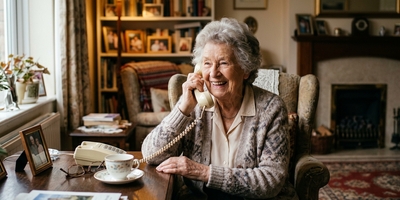
As our parents age, life often brings an unfortunate companion: isolation. Whether due to reduced mobility, the loss of lifelong friends, or the geographical distance of adult children, many older adults experience long stretches of quiet days. While physical safety and medical needs frequently dominate the caregiver checklist, emotional well-being and social connection are just as vital to longevity and quality of life.
Maintaining consistent social engagement can be challenging when you are caught in the whirlwind of the sandwich generation. Between demanding work schedules, raising children, and managing your own household, calling a parent every single day—let alone multiple times a day—can feel like an overwhelming logistical puzzle.
Yet, those conversations matter deeply. Here is why regular social connection is a cornerstone of healthy aging in place, and how modern families are bridging the gap.
The Health Impact of Social Connection
Decades of research highlight a clear link between social isolation and negative health outcomes in older adults. Loneliness is not just an emotional hurdle; it has tangible physical effects, comparable to the health risks of smoking or high blood pressure.
Conversely, regular, engaging conversations provide cognitive stimulation and emotional support. A quick chat about current events, reminiscing about family memories, or simply sharing the highlights of the day can spark cognitive activity, lift mood, and bring a sense of purpose and routine to an older adult’s morning.
Moving Beyond “Just Checking In”
When busy caregivers do manage to call, conversations often devolve into a repetitive checklist: “Did you take your pills? Are you eating? Did you fall?”
While these practical questions are necessary for safety, they can inadvertently turn an affectionate parent-child relationship into a clinical check-up. Parents may feel patronized or defensive, while children hang up feeling like they only scratched the surface of their parent’s emotional state.
The key is shifting from mechanical check-ins to genuine conversations that foster joy and connection. But achieving that balance requires taking the administrative burden off the daily interaction.
Leveraging Automated Support for Deeper Connection
This is where smart tools and automated companion check-ins play a transformative role. By utilizing automated systems to handle the routine, safety-focused check-ins—such as confirming morning routines or medication reminders—you free up your personal time for what truly matters.
When you call your parent knowing that their day is already anchored by a reliable, gentle check-in system, the nature of your interaction changes. You are no longer the taskmaster asking for status reports; you are the loving child calling just to hear about their day, share a laugh, and stay genuinely connected.
Nurturing the Bond
Caregiving is ultimately about love, preservation of dignity, and shared human connection. By combining supportive technology with intentional, meaningful conversation, you can ensure your aging parents feel seen, valued, and deeply loved—no matter how busy life gets.